
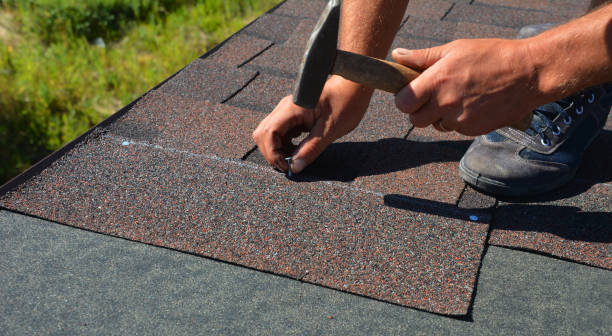
Ensuring your roof is in top condition is crucial for protecting your home, maintaining energy efficiency, and avoiding costly damages. However, deciding whether to repair or replace your roof can be challenging. Here are several key factors to consider when making this decision.
Age of the Roof
The age of your roof is one of the most significant factors in determining whether you should repair or replace it.
- Asphalt shingles: Typically last 20–30 years.
- Metal roofs: Can last 40–70 years depending on maintenance.
- Tile roofs: Known for their durability, they can last 50+ years with proper care.
- Wood shakes: Generally have a lifespan of 20–40 years.
If your roof has reached or exceeded its expected lifespan, it might be time for a replacement rather than continuing to repair recurring issues.
Extent of Damage
- Minor damage: Small leaks, a few missing shingles, or isolated patches can typically be repaired without issues.
- Moderate damage: Localized damage affecting more significant portions (e. g. , one side of the roof) may still be repairable but requires professional assessment.
- Severe damage: If large sections are compromised by storms, rot, or sagging, replacing the entire structure may be more cost-effective in the long term.
Costs of Repairs Vs Replacement
It’s essential to weigh the costs carefully when deciding between repairs and replacement.
| Scenario | Repair Cost | Replacement Cost | Recommendation |
| Minor localized issues | Low (e.g., $150–$400 per repair) | High (e.g., $5,000–$10,000+) | Opt for repairs if no additional problems exist |
| Repeated repairs required | Adds up over time | One-time higher expense | Replacement often more economical long-term |
| Extensive structural problems | May involve costly fixes with uncertain results | Addresses all underlying concerns at once | Replacement preferred |
Energy Efficiency & Technology Updates
Older roofs may lack modern energy-efficient materials that help reduce heating and cooling costs. Replacing an outdated roof allows you access to improvements such as reflective coatings or better insulation properties.
- Are my energy bills unusually high?
- Does my attic feel significantly warmer in summer or colder during winter?
If so, upgrading to an energy-efficient roofing system during replacement might save money in the long run.
Weather and Environmental Concerns
- For areas prone to severe storms (hailstorms/hurricanes), undetected cracks or weakened shingles could lead to extensive interior water damage—making replacement a safer choice.
- Arid regions demanding better UV resistance material similarly factor before mid-er-decisions
Top Signs Your Roof May Need Replacement from Roofing Contractors Minneapolis Minnesota
Recognizing the signs of an aging roof can help homeowners decide whether to repair or replace it before more severe issues arise. Here are some key indicators that your roof might be nearing the end of its functional life.
Signs You Need a Roofing Repair Service Minneapolis Minnesota
- Shingles Are Curling or Cracking: Over time, shingles can lose their flexibility and start to curl upward or develop cracks. This is a common sign that they are no longer able to protect your home effectively.
- Bald Spots on Shingles: Missing granules on asphalt shingles indicate wear caused by prolonged exposure to sun and weather elements. Without these granules, the shingles lose their protective coating, leaving your roof vulnerable to water damage.
How to Address Leaks or Water Damage with a Roofing Repair Company Minneapolis Minnesota
- Stains on Ceilings or Walls: Discolored patches inside your home may indicate water penetrating through an aging roof.
- Pooling Water in the Attic: If water collects in certain areas within the attic after heavy rain, it’s often a sign that your roof is no longer effectively sealing out moisture.
Signs You Need a Roofing Company Minneapolis Minnesota for a Sagging Roof Structure
A sagging roof is one of the more concerning signs of an aging structure.
– Deterioration in roofing materials over time. – Excessive weight from accumulated snow or debris.
A sagging shape indicates structural issues that require immediate attention.
Common Areas That Show Sagging:
| Area | Reason for Sagging | Action Required |
| Center of Roof | Weakening support beams | Full inspection by a professional |
| Eaves/Edges | Rotting due to moisture | Consider replacing fascia boards |
| Around Chimneys/Vents | Faulty flashing causing leaks | Repair flashing and affected areas |
How Rising Energy Costs Impact Your Need for Roofing Service Minneapolis Minnesota
As roofs age, they become less effective at insulating homes from outdoor temperatures. If you notice increasing heating or cooling costs despite no changes in insulation within your walls, it could be because heat exchange through an old roof has intensified.
Understanding Roofing Repair in Minneapolis Minnesota: Lifespan Expiration by Material Type
- Asphalt Shingles: Typically last 20-30 years.
- Metal Roofing: Can last up to 50 years but may show corrosion over time if not properly maintained.
- Wood Shakes/Shingles: Generally last around 20 years but are prone to splitting under prolonged weather strain.
- Slate Tiles: Durable and can surpass 50 years but cracks can emerge if improperly cared for.
If your current roofing material has exceeded its expected lifespan or is approaching its limit, replacement may be necessary soon.
Moss and algae thrive in damp environments, which could indicate trapped moisture on your rooftop—a potential sign of deteriorating materials beneath the surface layers.
How Growth Impacts Your Roof:
- Moisture retention accelerates shingle breakdown.
- Algae stains reduce curb appeal and may weaken reflective properties (in energy-efficient roofs).
Cleaning moss early may delay replacement needs; however, persistent growth often signals deeper structural concerns requiring professional evaluation.
Proactively identifying these warning signs will help you mitigate risks associated with an aging roof while maintaining safety and efficiency for years ahead.
Expert Tips for Roof Installation Minneapolis Minnesota: Addressing Sagging Roofs
A sagging roof is a significant structural issue that can compromise the safety and functionality of your home. Understanding what causes a sagging roof, how to fix it, and ways to prevent it in the future is crucial for maintaining the integrity of your property. Below, we’ll explore these aspects in detail.
Common Causes of a Sagging Roof
There are several reasons why your roof may begin to sag. Identifying the root cause is essential for determining the appropriate course of action.
- Excessive Weight:An accumulation of heavy snow, ice, or debris can overburden your roof structure over time.
- Aging Materials:Over time, roofing materials like shingles, wooden beams, or trusses can weaken due to natural wear and tear.
- Poor Design or Installation:Inadequate structural support during construction or improper installation techniques may lead to sagging issues later.
- Water Damage:Prolonged exposure to moisture from leaks or insufficient drainage can weaken wooden components and cause them to warp or rot.
- Foundation Problems:Shifts in your home’s foundation can create imbalances that impact the alignment and strength of your roof.
Solutions for a Sagging Roof
Once you’ve identified that your roof is sagging, taking immediate steps to address the problem is vital.
- For minor sagging issues caused by limited wear and tear or weight problems, reinforcement might be sufficient.
- Adding additional beams or struts beneath sagging sections can provide extra stability.
- For localized damage due to water infiltration or aging materials, damaged sections may need replacing.
- Focus on repairing affected shingles, underlayment layers, and wooden supports.
- If extensive damage compromises most of your roofing system’s structure, complete replacement may be necessary.
- A professional roofer will assess whether other components such as trusses also require replacement.
- If improper design caused sagging early on after installation (e. g. , insufficient joist spacing), hiring an expert contractor to correct foundational errors is critical.
Preventing Future Sagging
- Regularly inspect for signs of stress such as warping beams or uneven ridges.
- Clean gutters frequently to prevent water backup that could lead to rot.
- Trim overhanging tree branches that might dump heavy debris onto your rooftop during storms.
- Seal leaks immediately using high-quality materials designed specifically for roofing applications.
- If you live in areas with heavy snowfall, consider installing snow guards and promptly clear snow buildup after storms.
| Preventative Measure | Benefit |
| Regular Inspections | Early detection prevents worsening issues |
| Gutter Maintenance | Proper drainage reduces water-related weakening |
| Snow Removal | Prevents excess weight accumulation |
| Professional Assessments | Expert evaluations ensure structural integrity remains intact |
Proper care and maintenance are essential when addressing concerns like a sagging roof. Acting quickly when problems arise helps protect both safety and property value while minimizing long-term expenses associated with neglecting these critical issues.

Identifying Roof Issues: Tips from Roofers Minneapolis Minnesota on Moss and Algae Growth
Moss and algae growth on a roof are more than just an aesthetic concern; they can cause significant damage if left unaddressed. Recognizing the warning signs early ensures that your roof remains in good condition, saving you time and money in repairs or potential replacements. Below is a guide to help identify, understand, and address moss or algae growth effectively.
Common Signs of Moss or Algae Growth
Moss and algae typically thrive in specific environments, and their growth often manifests in visible ways.
- Green patches or streaks:These are often moss deposits that form on shaded areas of the roof.
- Black streaks:Algae, specifically Gloeocapsa magma, leaves behind dark black stains that often streak down from the roof’s peak.
- Uneven texture:A rough, uneven surface caused by moss buildup may indicate advanced growth stages.
- Water retention:Moss absorbs water like a sponge, which can lead to prolonged dampness on the roof surface.
Risks Associated with Moss and Algae Growth
| Problem | Impact on Your Roof |
| Moisture Retention | Trapped moisture under moss can degrade shingles and encourage leaks. |
| Structural Damage | Over time, consistent water infiltration may impact your roof’s structural integrity. |
| Reduced Lifespan | Persistent moss growth can shorten the lifespan of roofing materials like asphalt shingles. |
| Aesthetic Decline | Black streaks and green patches detract from your home’s curb appeal. |
Steps to Remove Moss or Algae Growth
- Manual Removal: Use a soft-bristled brush to gently scrape moss off shingles without causing damage. Avoid using pressure washers as they may loosen shingles.
- Apply Cleaning Solutions: Mix water with a mild cleaning agent (such as one part bleach to three parts water) and carefully apply it with a sprayer.
- Rinse Thoroughly: After letting the solution sit for 15–20 minutes, rinse off with low-pressure water.
- Consult Professionals: For extensive infestations or difficult-to-reach areas, hire professional roofing services for safe removal.
Preventing Future Growth
- Trim Overhanging Branches: This reduces shade and promotes better air circulation across the roof surface.
- Clean Gutters Regularly: Proper drainage reduces moisture buildup that encourages moss formation.
- Install Zinc or Copper Strips:These metals naturally deter moss and algae when rainwater washes over them.
- Choose Resistant Materials:When replacing your roof, consider algae-resistant shingles designed specifically for humid climates.
By staying vigilant about these warning signs of moss or algae growth—and taking preventative measures—you’ll maintain your roof’s durability while preserving its visual appeal over time. Proactive maintenance today will minimize costly repairs tomorrow.
What to Do When Rays of Sunshine Are Coming Through Your Roof
Discovering rays of sunshine peeking through your roof can be a troubling sign. It often indicates that your roof has structural issues, gaps, or damage that require immediate attention. Ignoring these problems can lead to further complications, including water leaks, energy inefficiency, and even potential safety hazards.
Common Causes of Sunlight Coming Through the Roof
There are several reasons sunlight may penetrate your roof.
- Damaged or Missing Shingles: Over time, shingles can become dislodged due to strong winds, heavy rainfall, or natural wear and tear. Missing or cracked shingles leave gaps that allow sunlight to come through.
- Worn Flashing: Flashing is used around roof penetrations (like chimneys or vents) and seams to prevent water infiltration. Worn or damaged flashing can create openings where light can seep through.
- Improper Installation: Roofs that weren’t installed correctly may have weak spots or gaps that compromise their integrity over time.
- Age of the Roof: Older roofs are more susceptible to deterioration and structural issues, leading to cracks, holes, and eventual light penetration.
- Pest Damage: Animals like squirrels or birds sometimes damage roofing materials by chewing through them or creating nests in vulnerable areas.
Steps to Take When You Notice Sunlight Through Your Roof
- Use a flashlight in your attic during daylight hours to identify where light is entering.
- Look for any additional signs of damage like water stains, sagging woodwork, or mold growth.
- Conduct a visual inspection from outside your home (if it’s safe to do so) to spot any missing shingles, cracked tiles, or damaged flashing.
- Reach out to an experienced roofing contractor who can conduct a thorough inspection.
- Professionals will help identify less obvious problems and recommend solutions based on the severity of the issue.
- Temporary Fixes While Waiting for Repairs
If immediate repairs aren’t possible due to weather conditions or scheduling delays: - Cover visible gaps with waterproof tarps.
- Use roofing tape as temporary sealing material around small cracks.
Repair vs Replacement Options
After an inspection by a professional roofer, you’ll need to decide whether repairs are sufficient or if a full roof replacement is necessary: | Issue Severity | Recommended Action | |—————–|——————–| | Minor cracks/gaps near specific areas | Opt for targeted repairs | | Multiple missing shingles across large sections | Partial re-roofing may suffice | | Widespread damage due to aging | Full roof replacement recommended |
Preventative Measures After Repairs
Once repairs are complete: – Schedule regular maintenance checks at least twice annually. – Clean gutters and downspouts regularly as clogged systems can exacerbate roofing issues. – Trim overhanging branches near the roofline that could cause damage during storms. – Address potential pest infestations promptly before they harm roofing materials.
Addressing sunlight coming through your roof promptly helps maintain its integrity while avoiding costly damages in the future—keeping your home safe and energy-efficient year-round.
- Three Essential Steps to Hiring Roofing Contractors Minneapolis Minnesota for a Successful Roof Replacement
- Essential Tips for Finding the Best Roofing Repair Service Minneapolis Minnesota
- Key Factors to Consider When Choosing Roofing Repair Contractors Minneapolis Minnesota
- The Importance of Hiring Roofing Contractors Minneapolis Minnesota for Quality Work
- 10 Things to Know Before Hiring Roofing Repair Contractors Minneapolis Minnesota
- 6 Important Factors to Consider When Choosing a Roofing Repair Service Minneapolis Minnesota
- Essential Steps for Choosing a Roofing Repair Service Minneapolis Minnesota Homeowners Can Trust